
Moaksan 795m
One of the Four Scenic Views of the Honam Region
Easy Moderate Spring flowers Public transport
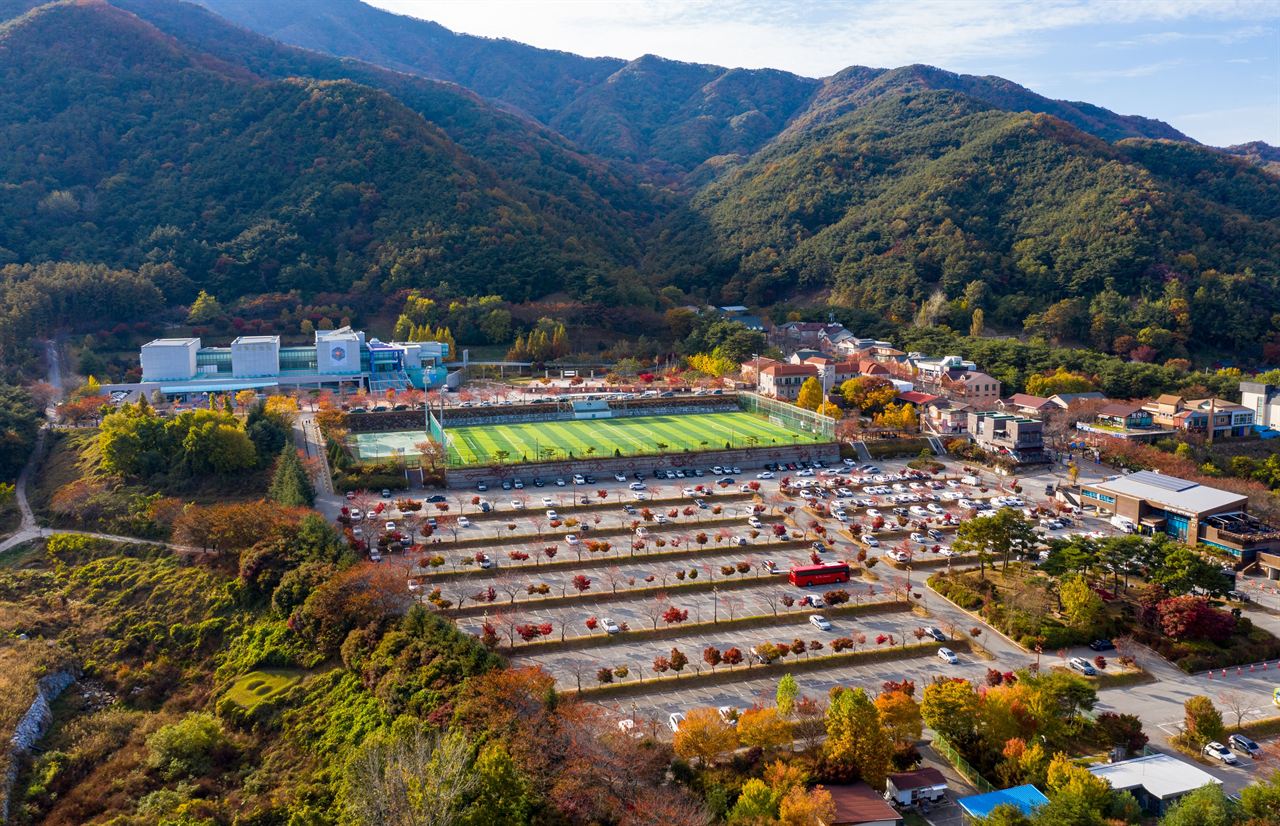
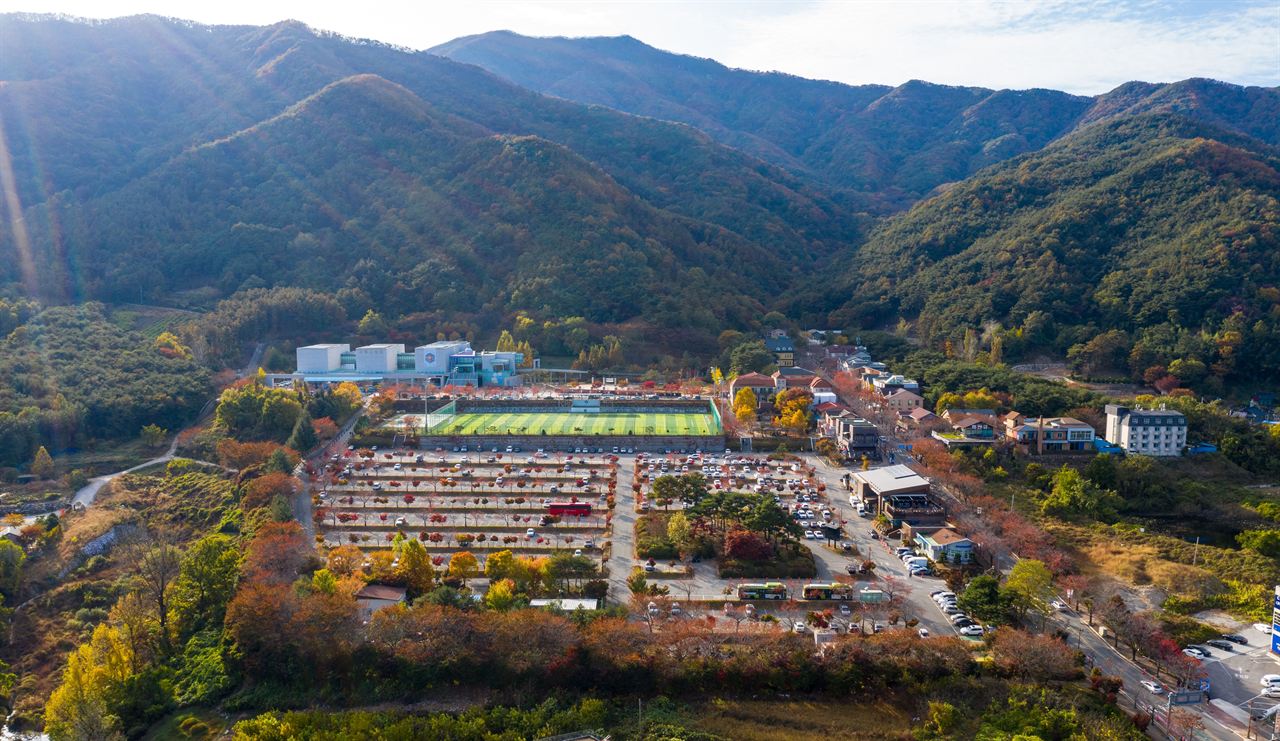

- Location
- Geumsan-myeon, Gimje-si, Wansan-gu, Jeonju-si, and Gui-myeon, Wanju-gun, Jeollabuk-do
- Courses
- 3 · 1 h 35 min – 3 h 45 min
- Distance
- 2.4 km – 7.6 km
- Facilities
- Toilets 4 · Parking 5
- Managed by
- Gimje City Hall · 063-540-3114
Trail map
Why it is one of the 100 famous mountains
Selected for being one of the four scenic wonders of the Honam region famous for azaleas and royal azaleas, and for its designation as a provincial park (1971). It is said that Gyeon Hwon established Later Baekje based here at the end of Silla. It is home to Geumsansa Temple, which holds many cultural heritages such as Mireukjeon Hall (National Treasure No. 62), Daejeokgwangjeon Hall (Treasure No. 467), Hyedeokwangsauengtapbi Stele (Treasure No. 24), and the Five-story Stone Pagoda (Treasure No. 27). In particular, the 11.82m-tall Maitreya Buddha in Mireukjeon Hall is famous.
About Moaksan
True to its name, it is a motherly mountain that feels warm and embracing. You understand this once you step inside. The diamond-shaped mountain ridges connecting Guseongsan (489.7m), Cheongdojae, the main peak, and Andeokbong Peak (617m) form a topography that blocks the three disasters of water, fire, and wind. For this reason, Kang Jeungsan was able to establish Jeungsangyo to soothe the wounds of the common people amid the chaotic aftermath of the Donghak Peasant Revolution.
In the middle of the diamond shape lies Geumsansa Temple. It harbors one national treasure and as many as eight treasures. It is a temple that proves Moaksan is a sanctuary free from the three disasters.
At the entrance of the path to the mountain temple lined with large cherry blossom trees, a fortress gate blocks the way instead of an Iljumun Gate. It is the vertex of a smaller diamond nestled in the deepest part of the large diamond. Entering the temple grounds and looking at Mireukjeon Hall, a National Treasure, the Great Buddha inside seems to say, "Poor sentient beings, you shall be reincarnated with me 5.7 billion years from now."
The treasure stone pagoda above the Bangdeung Gyedan altar is a Baekje-style five-story pagoda, but it exudes a vigor reminiscent of the Gameunsaji pagoda of Silla. The mountain path toward the main peak is completely covered with arrow bamboo fields, a warehouse of arrows. With such backing, the Donghak peasant army was able to sacrifice themselves like moths in the Wonpyeong fields of Geumsancheon Stream, where all the waters from inside gather and flow.
Moaksan rises along the Honam Jeongmaek ridge, forming the boundary between Geumsan-myeon in Gimje-si, Wansan-gu in Jeonju-si, and Gui-myeon in Wanju-gun, Jeollabuk-do.
Long famous for 'Moak Chungyeong' (spring scenery of Moaksan) as one of the four scenic wonders of the Honam region, Moaksan is blanketed with cherry blossoms all over the mountain in spring. In particular, the cherry blossom road leading to Geumsansa Temple is so magnificent that when the wind blows and petals scatter, it feels like falling snow. However, as the character 'ak' in Moaksan suggests, hiking this mountain is by no means easy. The trail ascending to the summit from Gui is especially rugged, so even seasoned hikers find themselves gasping for breath just below the top. Like all mountains, you can only experience the joy of reaching the summit after enduring this tough final struggle.
Reaching the summit offers an expansive panoramic view of downtown Jeonju and the vast plains of the Honam region, filling the heart with a sense of abundance. The descent toward Gimje is relatively gentle, allowing you to take your time and enjoy the surrounding scenery. Although Moaksan is less than 800m tall, it treats hikers to diverse landscapes around every curve. Designated as a provincial park in 1971, this mountain has deep connections with Maitreya belief, leaving many related traces scattered across its foothills.
Courses recommended by the Korea Forest Service
- Ticket Office → Geumsansa Temple → Yonghwasa Temple → 344.5 Peak → Main Ridge → 730 Peak → Summit → Baejae → Geumsansa Temple → Ticket Office 5 h 20 min
- Gui-myeon Office → Seonnyeopokpo Falls → Daewonsa Temple → Summit → Geumsansa Temple → Ticket Office 3 h 40 min
- Cheongdojae → 730 Peak → Summit → Simwonam Hermitage → Geumsansa Temple → Ticket Office 3 h
Public transport
The main starting point is Jeonju, but passing through Gimje is convenient. It takes 15 minutes by taxi from Gimje Station to Geumsansa Temple. The Honam Line KTX stops at Gimje 6 times a day, and regular trains run 19 times. From Jeonju, take city buses bound for Jungin-dong, Geumsansa Temple, or Gui.
Food, lodging & more (Korea Forest Service data, may change)
● Food, Lodging, and Other Info
There are several restaurants and accommodations around the trailheads and trail ends.
In Jungin-dong, there is Hwangto-jip (☎063-222-8475), and in the Gui area, there are Hwasanggung (☎063-222-8723) and Dungji Motel (☎063-221-9390).
In the Geumsansa Temple facility district, there are Moaksan Youth Hostel (☎063-548-4402) and Moaksan-jang (☎063-548-4411).
● Inquiries
Moaksan Provincial Park Management Office ☎063-222-7816
Nearby attractions
- Moaksan Mountain (모악산) 2.2 km from the summit
-
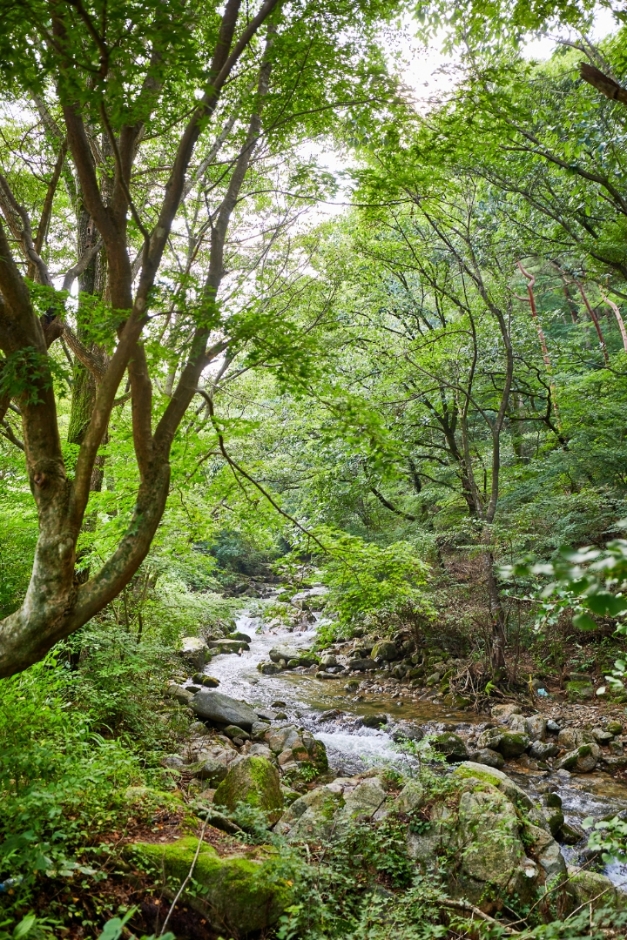 Moaksan Provincial Park (모악산 도립공원)
2.7 km from the summit
-
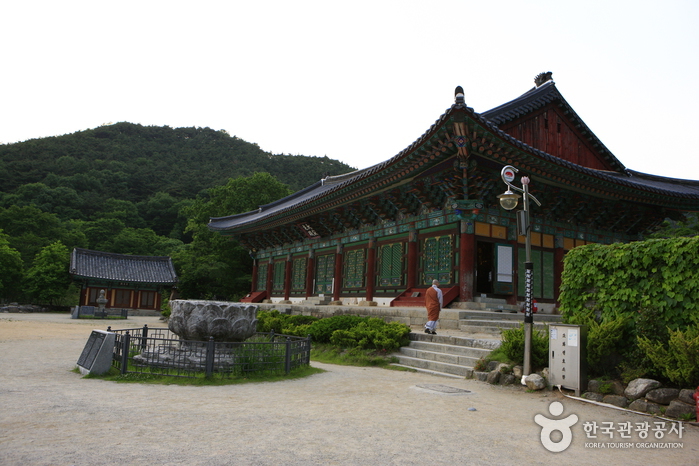 Gimje Geumsansa Temple (금산사(김제))
2.9 km from the summit
- Andeok Health and Healing Village (안덕 건강 힐링 체험마을) 3.9 km from the summit
- Jeonju National Museum (국립전주박물관) 8 km from the summit
-
 Jeonju Historical Museum (전주역사박물관)
8 km from the summit
Times and difficulty are estimates from GPS tracks. Before you go, check the weather, sunset time and any trail closures. Course tracks recorded: 2022-01-06
Text on this page was translated automatically from Korean public data. Place names follow the Revised Romanization; signs on the trail are in Korean.
Data: Korea Forest Service and Korea Hiking & Trekking Support Center (Public Data Portal). Course times and difficulty are estimates from GPS tracks (2022).