
Jogyesan 887m
A Mountain with Gentle Slopes
Moderate Hard Valleys Public transport
- Location
- Songgwang-myeon and Seungju-eup, Suncheon-si, Jeollanam-do
- Courses
- 2 · 4 h 25 min – 5 h 20 min
- Distance
- 8.1 km – 11.1 km
- Facilities
- Toilets 3 · Parking 1
- Managed by
- Suncheon City Hall · 061-749-3114
Trail map
Why it is one of the 100 famous mountains
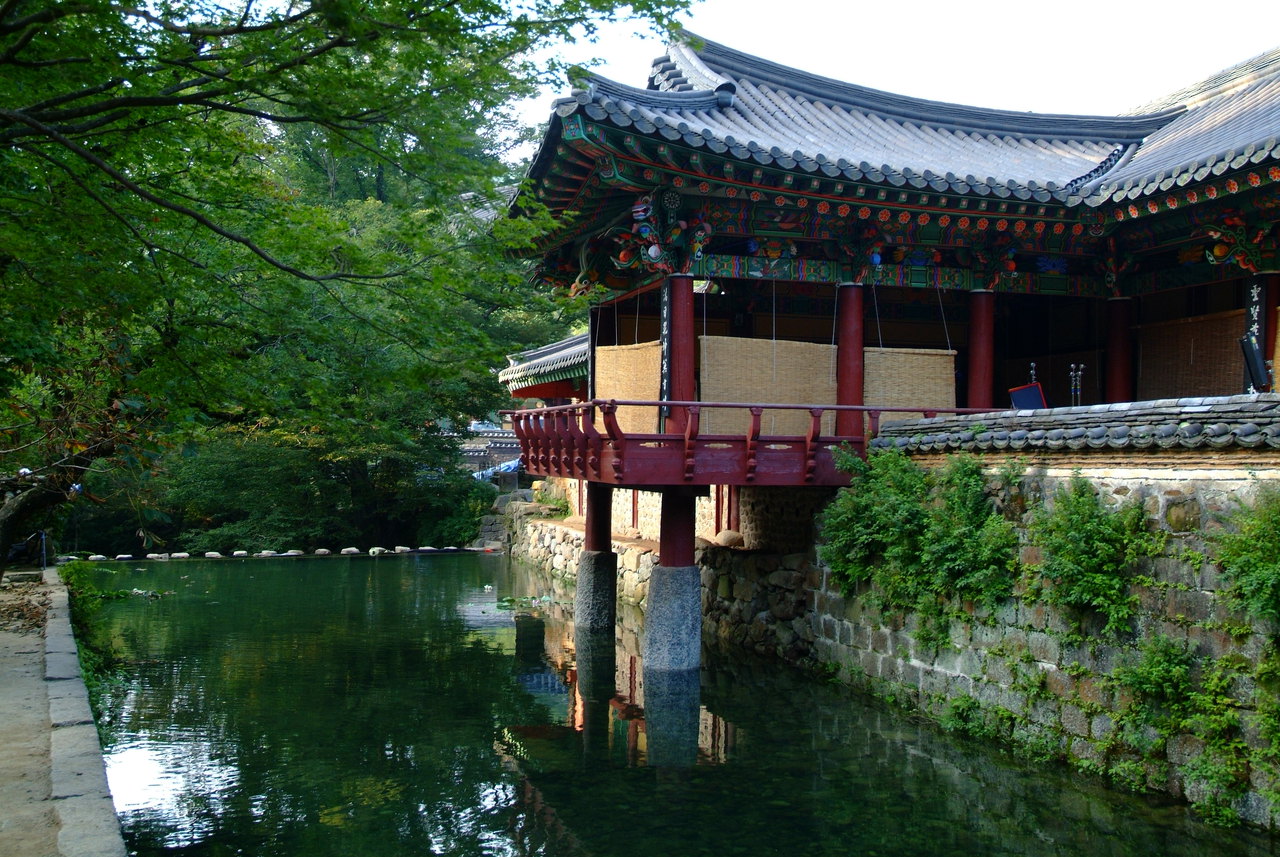
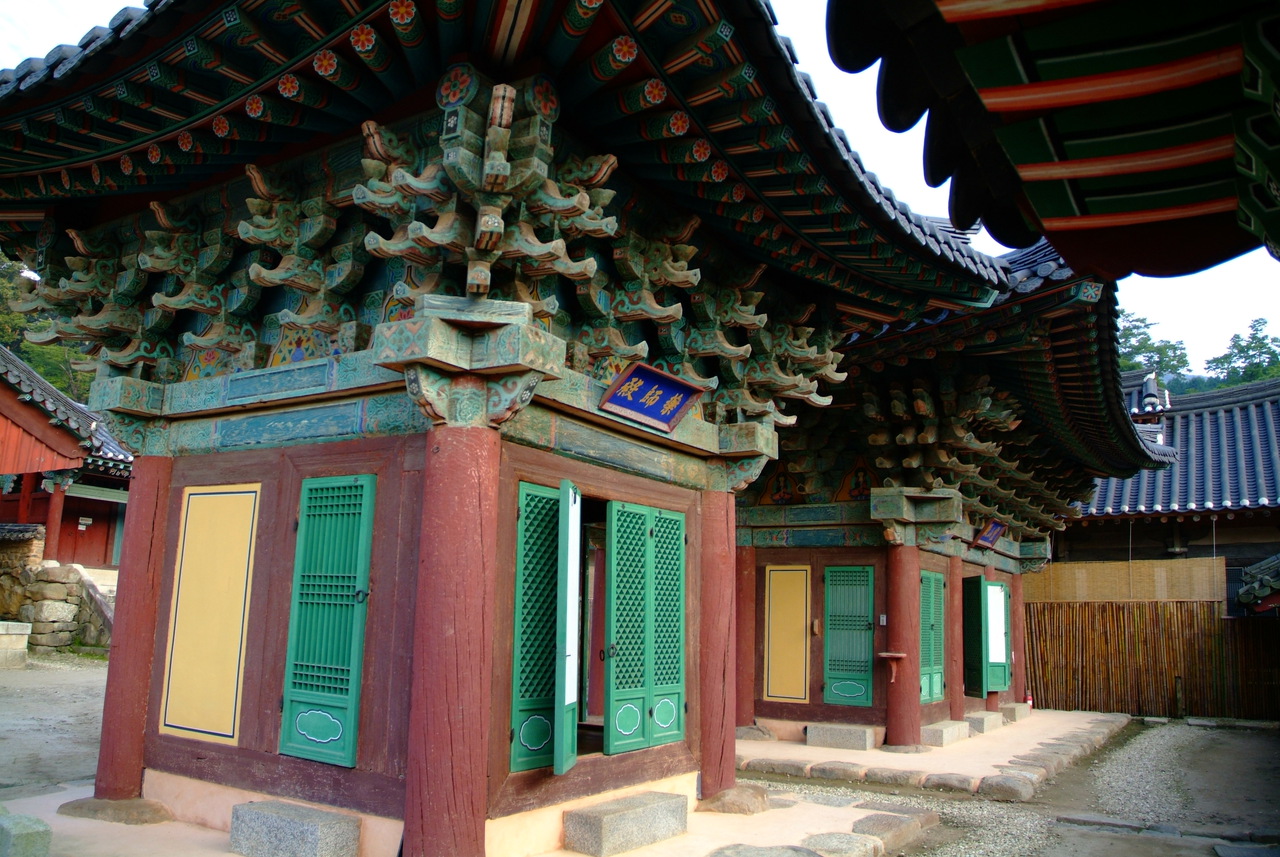
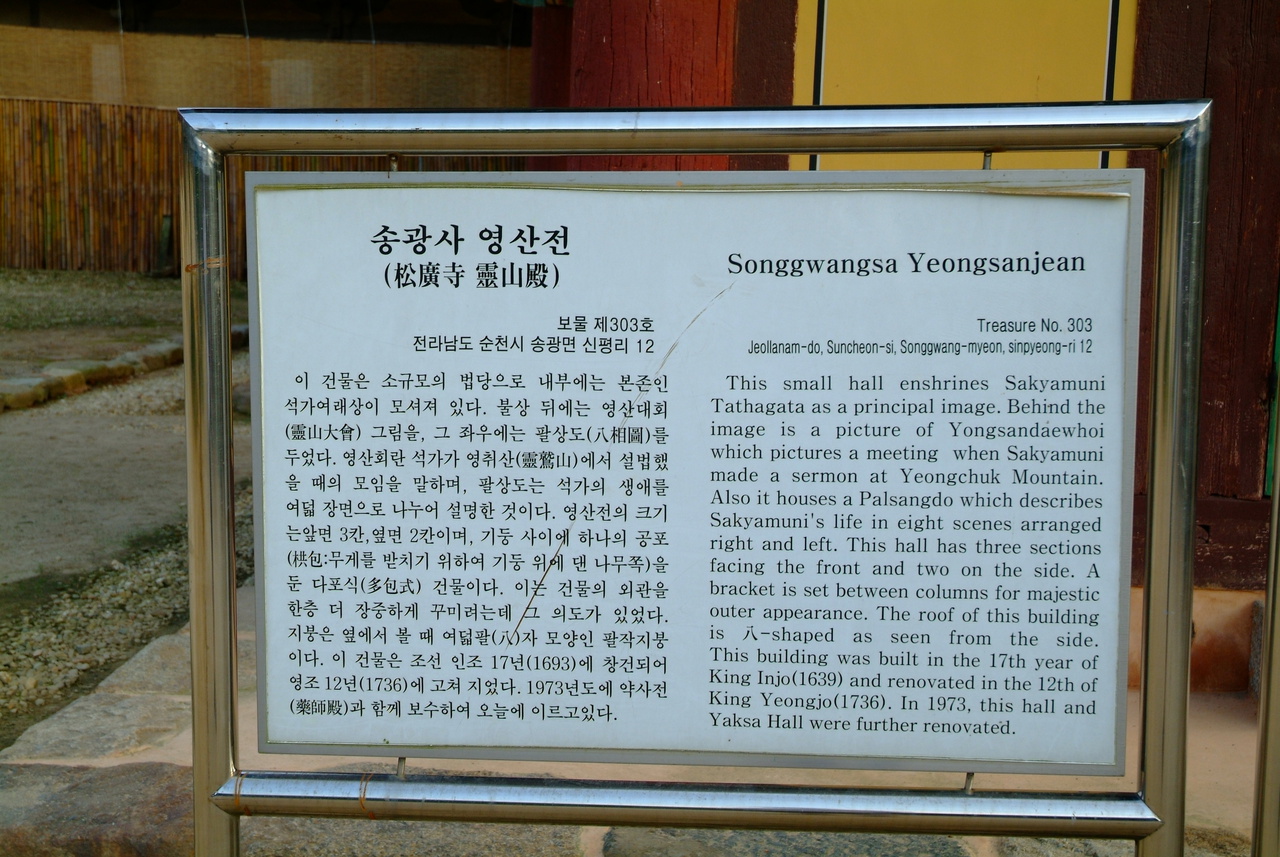
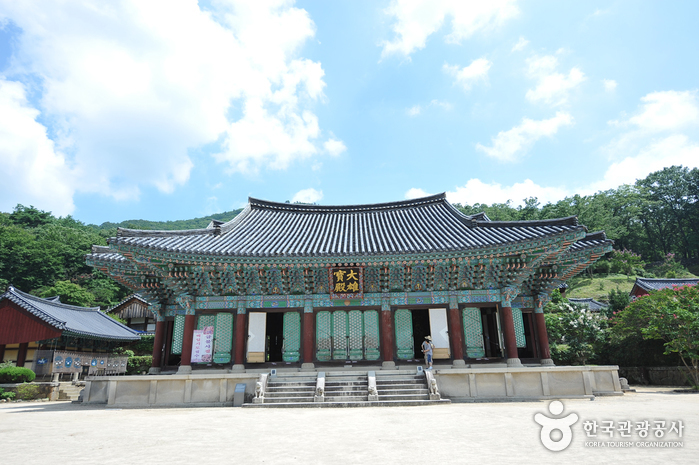
Historically referred to as 'Little Jiangnan,' Jogyesan is celebrated for its scenic natural landscapes featuring deep valleys, dense forests, waterfalls, and mineral springs, as well as its rich Buddhist heritage. It was designated a Provincial Park in 1979. It is also home to Songgwangsa Temple, which houses numerous National Treasures including the Portable Shrine of Wooden Buddha Trio (National Treasure No. 42), the Imperial Edict of King Gojong of Goryeo (National Treasure No. 43), and Guksajeon Hall (National Treasure No. 56), alongside the ancient twin Chinese junipers (Natural Monument No. 88).
About Jogyesan
Jogyesan is a mountain with rare, balanced symmetry. Centered along the Jangmakgol Valley, mountain ridges and streams branch out symmetrically in opposite directions. At the foot of the mountain stand two major temples: Songgwangsa Temple, representing the Buddhist Sangha, and Seonamsa Temple of the Taego Order.
Seonamsa Temple, nestled just below the main Janggunbong Peak, is traditionally believed to sit on an auspicious geomantic site shaped like an immortal maiden offering a wine cup. Fittingly, Ongnyeobong Peak rises before Yucheon Village near the trail entrance, with Baebong Peak behind it. The construction of Juam Dam and the subsequent creation of Sangsaho Lake in front of the village have further reinforced this feng shui imagery.
Songgwangsa Temple sits on an expansive auspicious site embraced by concentric mountain layers that also encompass the ridges circling Seonamsa Temple. Mangsubong, Yeonsanbong, Daejangbong, and Jogyebong peaks form the inner protective ring, while Sirusan, Janggunbong, Gitdaebong, and Godongsan peaks around Seonamsa form the outer ring. For this reason, the temple came to be known as Jogyesan Songgwangsa rather than taking the name of its immediate peak, Songgwangsan (Yeonsanbong).
Jogyesan was designated a Provincial Park in 1979 and designated as Historic Site and Scenic Site No. 8 in 1998. It holds deep historical significance, bearing the legacy of National Preceptor Jinul at Songgwangsa Temple and National Preceptor Uicheon at Seonamsa Temple.
Standing at 887 meters, Jogyesan features gentle, welcoming slopes. Clear mountain streams flow through deep ravines, while Mansubong Peak and Mohusan Mountain cradle the Songgwangsa area like a protective screen. Along the main ridge, Songgwangsa and Seonamsa temples sit to the west and east; streams running through Seonamsa Valley flow into Isacheon Stream to the east and Boseonggang River to the south.
Peaks like Wolchulbong, Janggunbong, and Gitdaebong, along with Irwolseok Rock, surround Seonamsa Temple in scenic harmony. Hikes starting from either Songgwangsa or Seonamsa take similar amounts of time and offer varied courses. Thanks to the moderate terrain and well-maintained gentle paths, the mountain is popular for family outings and couples. The 800-year-old twin Chinese junipers (Natural Monument No. 88) at Songgwangsa Temple are also a major attraction.
Courses recommended by the Korea Forest Service
- Songgwangsa Temple → Songgwang Gulmokijae Pass → Seonam Gulmokijae Pass → Summit → Seonamsa Temple 3 h
- Seonamsa Temple → Summit → Seonam Gulmokijae Pass → Seonam Facility Complex 2 h 40 min
- Seonamsa Temple → Daegagam Hermitage → Baebawi Rock → Summit → Yeonsanbong Peak → Songgwangsa Temple 3 h
Public transport
Suncheon serves as a major railway junction and is convenient to access by train. Trains on the Jeolla Line run 13 times daily from Yongsan Station; the Gyeongjeon Line operates 7 times daily from Gwangju and 4 times daily from Bujeon (Busan), along with a night train from Jinju via Suncheon to Yongsan.
> Suncheon → Seonamsa Temple: Bus routes 1, 16, and 100 operate frequently from 05:50 to 22:30.
> Suncheon → Songgwangsa Temple: Operates every 40 minutes from 06:20 to 20:20.
Direct buses to Songgwangsa also run from Gwangju Bus Terminal (U-Square).
> Gwangju → Songgwangsa Temple: 9 times daily
Food, lodging & more (Korea Forest Service data, may change)
● Food, Lodging & Other Information
Numerous homestays and inns operate in front of Songgwangsa and Seonamsa temples.
Near Seonamsa Temple: Jeongmun Minbak (061-754-6161), Jinsol Garden (061-754-5242)
Near Songgwangsa Temple: Jogyesanjang Yeogwan (061-755-2150), Songgwangsa Minbak (061-755-5338), Gohyang Minbak (061-755-2152)
Camping is also available at Nagan Natural Recreation Forest at the foot of Geumjeonsan Mountain (061-754-4402).
● Inquiries
Suncheon City Hall Culture & PR Division Tourism Section: 061-749-3328
Nearby attractions
 Seonamsa Temple [UNESCO World Heritage] (선암사 [유네스코 세계유산])
 Suncheon Traditional Wild Tea House (순천전통야생차체험관)
 Suncheon Songgwangsa Temple (송광사(순천))
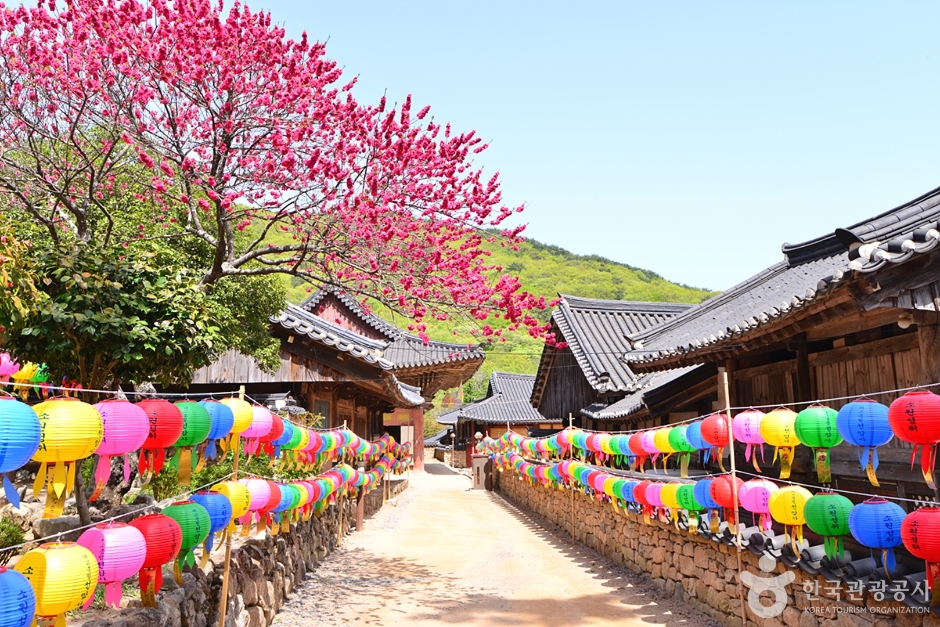 Jogyesan Provincial Park (조계산도립공원)
Times and difficulty are estimates from GPS tracks. Before you go, check the weather, sunset time and any trail closures. Course tracks recorded: 2022-01-06
Text on this page was translated automatically from Korean public data. Place names follow the Revised Romanization; signs on the trail are in Korean.
Data: Korea Forest Service and Korea Hiking & Trekking Support Center (Public Data Portal). Course times and difficulty are estimates from GPS tracks (2022).